
No Tricks, Just Tips: Protect Yourself From Fraud This Fall
October is the season of tricks and treats, but while we’re carving pumpkins and enjoying candy, scammers are busy brewing up their own frightful schemes. This year, one of the scariest threats comes from delivery scams and law enforcement impersonators who use fear to trick people out of money and personal information. We’ll answer the question, “What is a credit union and how does it differ from a bank?” so you can make an informed choice.
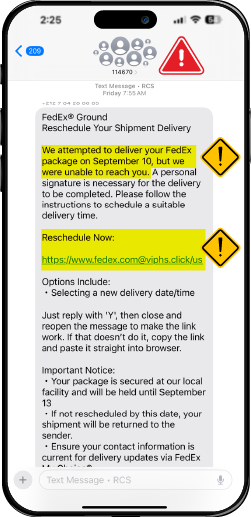
The Trick: Fake Delivery Messages
| You may get a text or email claiming: “We couldn’t deliver your package. Click here to reschedule.” At first glance, it looks legitimate. After all, who isn’t expecting a delivery these days? But these messages are a classic scam. Clicking the link can lead to a fake website designed to steal your login credentials or credit card details. In some cases, clicking may even install harmful software on your device. Red flag: Real delivery companies will never ask you to pay a fee or enter personal details through a text message. Always check the official carrier website or app directly. |
 |
A Spookier Twist: Impersonating Law Enforcement
The fright doesn’t end with a text. Increasingly, scammers take it one step further: after you’ve clicked or entered your information, you might receive a phone call from someone claiming to be the FBI, police, or another government agency.
These callers use spoofed phone numbers so it looks like the call is coming from a real agency. They may threaten you with arrest, fines, or “violations of federal law”. Some even send fake documents or badges to appear official. Then comes the demand: pay immediately, often with gift cards, cryptocurrency, or wire transfers.
The FBI stresses that real law enforcement will never demand money or payment in unusual forms. Threats of immediate arrest are a scammer’s trick.
Don’t Get Spooked: Warning Signs
Keep these common red flags in mind:
- Texts or emails with suspicious links asking for payment or personal info
- Caller IDs showing “FBI,” “USPS,” or government agencies
- Threats of arrest or warnings to “keep this secret”
- Requests for payment via gift cards, crypto, or wire transfers
- Text messages that appear to have been sent to multiple individuals
Treat Yourself to Knowledge
This Halloween, the best way to fight scammers is with awareness. Here’s how to protect yourself:
- Pause before acting. Scammers count on fear and urgency.
- Don’t click suspicious links. Go to the carrier’s official site or app.
- Hang up on threatening calls. Verify by calling the agency directly with a number you look up yourself.
- Report scams. File a complaint at IC3.gov.
Final Word
Scammers are experts in disguise, but you don’t have to fall for their tricks. Treat yourself to knowledge this October and share it with family and friends. Awareness is the sweetest defense against frightful fraud.
If you ever suspect fraud, we're here to support you. Call us directly at (650) 363-1725 or stop by your nearest branch. You can also visit our Fraud & Security Center for tips, tools, and additional resources to help protect yourself.